Big Pharma lobbyists spent enormous sums of money to defeat the Inflation Reduction Act which includes restoring Medicare's authority to negotiate drug prices. Thankfully, their opposition did not work this time.
Investigation reveals that medical debt, despite new attention from the White House and Congress, is a far more pervasive problem than previously reported.
The nursing homes industry has quietly developed what consumer attorneys and patient advocates say is a pernicious strategy of pursuing family and friends of patients despite federal law that was enacted to protect them from debt collection.
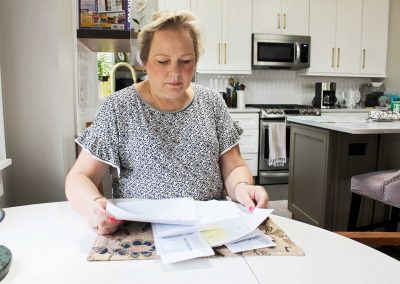
Peggy was “a little stunned” but mostly unhurt as three ambulances descended on the crash site, alerted by 911. She was seen briefly in an emergency room and went home with just a bruised sternum. Then the bill came.
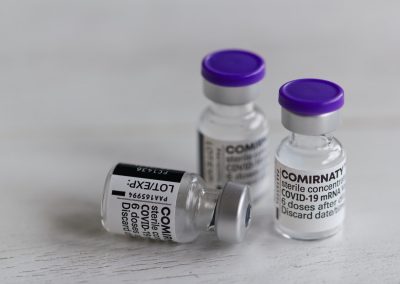
Just last week, the Biden administration agreed to buy another 105 million doses of Pfizer’s covid vaccine for the fall booster campaign, paying $3.2 billion—a significant premium over what the government paid for the first 100 million.
Many cancer patients face difficult financial choices. About 4 in 10 with debt have taken money out of a retirement, college, or other long-term savings account. About 3 in 10 have moved in with family or friends or made another change in their living situation.
New government rules will force health insurers to publicly disclose what they pay for just about every service. That information could help consumers and employers know whether they’re getting a fair deal.
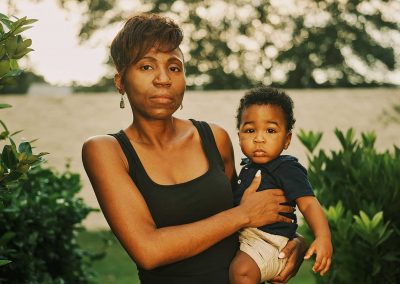
After baby Dorian Bennett arrived two months early and spent more than 50 days in the neonatal ICU, his parents received a bill of more than $550,000 — despite having insurance.
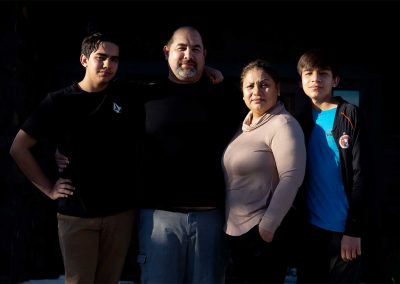
The Fierro family was trapped in a situation of being “functionally uninsured.” They have insurance, but their healthcare plan is expensive and they don’t have the liquid savings to pay their “share” of the bill.
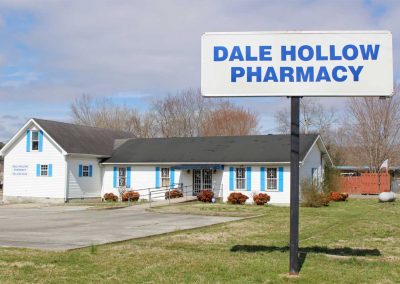
Celina, an old logging town about two hours northeast of Nashville, was primed for the drug trade. Four pharmacies sat within 1,000 feet of each other, at the crossing of two highways, dispensing millions of opioid pills.
While traveling in Wyoming in 2020, Sean Deines got very ill and was diagnosed with an aggressive leukemia. An air ambulance transferred him to a hospital in North Carolina ― and generated a bill that was nearly $500,000.