AI models don’t have any understanding of reality and are simply attempting to complete the tasks they’ve been assigned. Executives at AI companies, on the other hand, can’t claim that excuse.
At this point, Trump has relatively few options available to blunt new price shocks, the effects of which may be visible not just at the pump but also at the ballot box.
Ongoing federal court cases have constrained or delayed some of Trump's intentions. But most other official checks and balances are currently neutral or skewed in his favor.
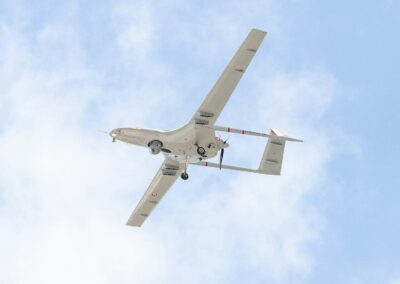
The next step in AI drone warfare is even more concerning: Swarming drones that can hunt in packs of a few to thousands and autonomously alter their behavior...
Good habits raise the cost of every one of these scams, but they can’t do it all. This is where the U.S. regulations have fallen behind the technology.
Two provisions of federal law relating to vote buying were adopted by Congress and became law in 1948. Both treated that practice as a form of election interference.
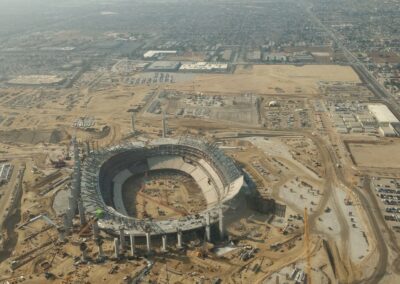
Economists studying the public financing of stadiums are consistently finding that the meager economic benefits to host communities don’t justify the massive public outlays they receive.
Voting rights groups and Democratic states that sued had shown that voters would be disenfranchised in the Nov. 3 midterm elections if Trump's rule remains in place.
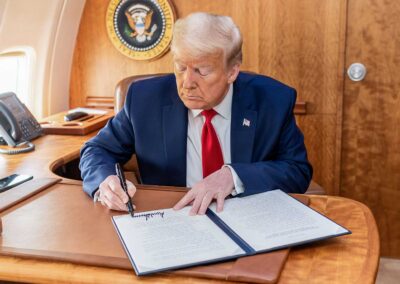
It’s hard to find any constitutional source that backs up the idea that the president has unilateral authority to decide how elections are run, even federal elections.