Privacy law was built for a world where data resided in filing cabinets. Governments now operate in a world where even an anonymized digital record can point back to you.
Around the world, many forests are already showing signs of diminishing as temperatures rise, in addition to deforestation for timber, crops and rangeland that further reduce their resilience.
Unfortunately, an outright ban on deceptive PAC names would face serious First Amendment obstacles. Naming a PAC is a form of expression that receives constitutional protection.
When a team of researchers interviewed 88 employers that pay low wages, they found that many use part-time work to make their workforces more “flexible.”
The question is whether the world will act before changed names, lost records and years of forced assimilation make the damage even harder—or impossible—to reverse.
Industrial equipment in service for decades is extremely vulnerable because it may not support modern security features, and utilities may delay updates because they want to avoid interrupting operations.
Nixon's VP Spiro Agnew attacked journalists as “effete snobs,” but journalism serves a positive function in particular when its stories expose the idiocy and criminality in government.
The scientific question of where COVID originated remains unresolved. But conspiracy theories can transform the absence of evidence into evidence of concealment.
Trump's hyperbolic claims, made up out of whole cloth, stoke fears. His recent executive order is a solution that is looking for a problem that doesn’t exist.
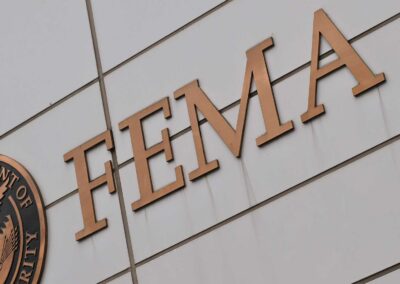
The funds FEMA threatened to withhold for noncompliance to Trump's election demands would otherwise be used by state and local governments to pay for cybersecurity, emergency planning, training and equipment.
Unlike Hegseth’s story that manhood is a chemical to be topped off, research shows that while hormones may open a window, the social environment decides what comes through.