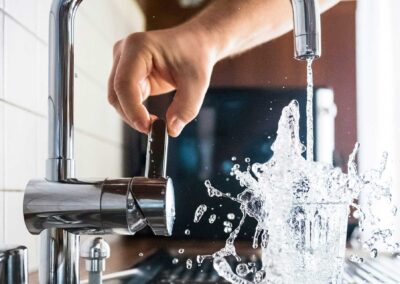
New EPA rules will require years for testing and even more years for final removal of PFAS chemicals from water systems. But there are things we can do to protect our homes now.
In the conservative media sphere, Trump is using the trial as a campaign strategy to stoke his base’s fears and quoting pundits and hosts from Fox News, Newsmax and OAN who echo his messages.
Reagan believed that his religious vision would promote freedom and democracy worldwide. But Trump’s religious vision—that hawks Bibles and disparages democracy—isn’t one that Reagan would recognize.
This weekend’s attack appears to be a grave miscalculation by the leadership in Tehran. The US and other countries in the West swiftly rallied to support Israel.
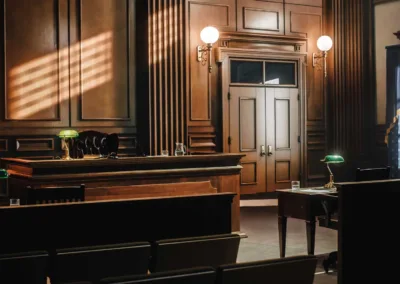
This case will be a monumental drama not only inside the courtroom, but outside the courtroom. Whether the trial can go off the way trials have normally gone off is a real test of our country and our legal system.
Earthquakes are actually pretty common in the Northeast, but they’re usually so small that few people feel them. The vast majority are magnitude 2.5 or less.
There is are definite similarities between Trump and Nixon. But Trump couldn't care less whether anyone considers him a crook or not—he claims he's above the law.
Tiktok's statements about how it intends its Stitch, Green Screen and Duet features to be used and how people actually use them can be quite different.
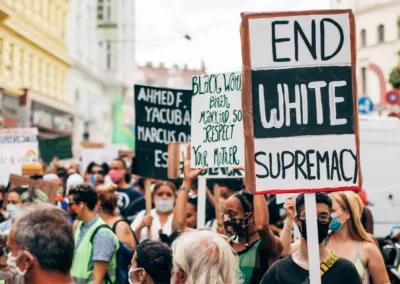
Filippo Tommaso Marinetti, an Italian poet and supporter of Benito Mussolini, argued that war and fascism were the only cure for the world. And that fascism, then and now, worked to ensure white dominance.
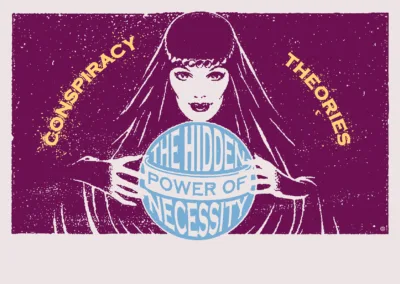
The course examines the long history of hoaxes, frauds and deliberate conspiracies in American history, stretching back to the Illuminati, anti-Catholicism and antisemitism.
An investigation into for-profit nursing homes revealed an industry that places a premium on cost cutting and big profits, with low staffing and poor quality, often to the detriment of patient well-being.
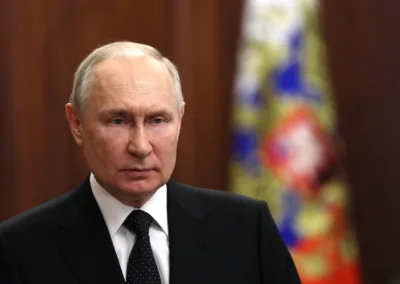
The death of longtime Putin critic Alexei Navalny in February 2024 was a huge blow to the opposition but is representative of the state of political repression in Russia.
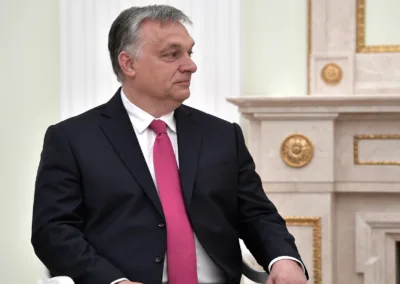
The real power of authoritarian populists like Trump and Orban lies not in the institutions they hijack but in the novel electoral support coalition they create.
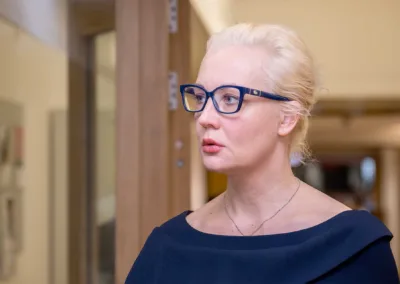
Yulia Navalnaya’s story fits squarely within a larger pattern of other female political leaders and activists who become publicly prominent after their husbands die or are imprisoned for their opposition to an authoritarian regime.