As long as gas stays expensive, the gap between the electric vehicles Americans want and the electric vehicles dealers can sell them is likely to remain.
Election officials are actually as prepared as they have ever seen, including dealing with things that they haven’t ever seen before and should never have to be seeing.
Communities are already fighting about data centers raising their power bills and using up precious water. Making different choices about how to handle the heat could help keep power bills down and water in local rivers.
This November, Republican tactics in 1981 are worth remembering. They demonstrate that the safeguarding of polling places from imaginary fraudulent voters is not a new idea.
The issues presented by Flock cameras and their underlying software system are a lot larger than a few individuals who have used the system illegally for stalking or harassment purposes.
AI models don’t have any understanding of reality and are simply attempting to complete the tasks they’ve been assigned. Executives at AI companies, on the other hand, can’t claim that excuse.
At this point, Trump has relatively few options available to blunt new price shocks, the effects of which may be visible not just at the pump but also at the ballot box.
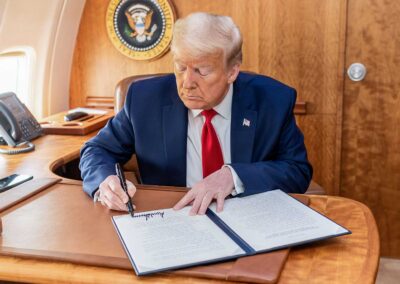
Ongoing federal court cases have constrained or delayed some of Trump's intentions. But most other official checks and balances are currently neutral or skewed in his favor.
The next step in AI drone warfare is even more concerning: Swarming drones that can hunt in packs of a few to thousands and autonomously alter their behavior...