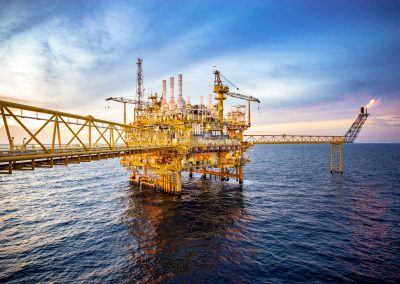
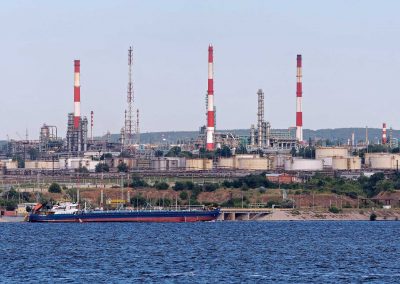
The suit charges that oil companies including ExxonMobil, Shell, and Total have known since as far back as the early 1970s that burning fossil fuels emits greenhouse gases that cause global heating.
A study estimates that countries could face up to US$340 billion in financial and legal risk from cancelling fossil fuel projects covered by investor-state dispute settlement clauses.
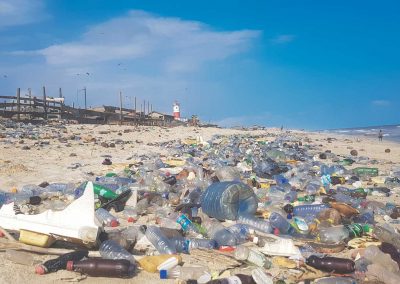
No one knows for sure how much plastic is in the world’s oceans, but in 2015 the best guess was 150 million metric tons, growing by eight to 11 million metric tons a year.
Not far from devastated Fort Meyers and Cape Coral, Babcock Ranch only had minor damage from Hurricane Ian and never lost power or internet access. The reasons for that are important.
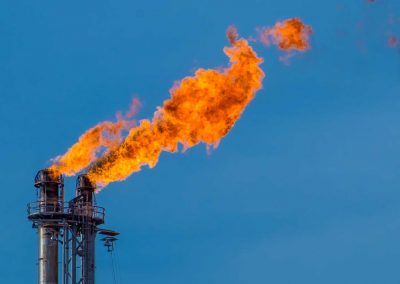
A new study shows there is a lot more methane being added to the atmosphere than currently accounted for in any inventories or estimates. And the source is obvious and addressable.
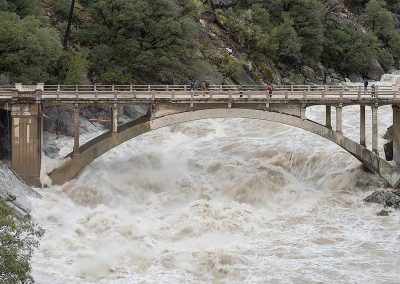
As historic floods beset several states, a new study finds that warming could make a California “megaflood” more dangerous, and likely, than previously thought.
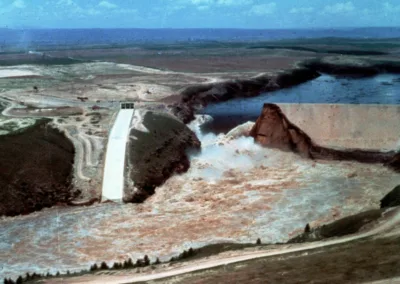
The consequences of inadequate infrastructure maintenance are compounded by climate change, which is accelerating failures with increased flooding, extreme heat and growing storm intensity.
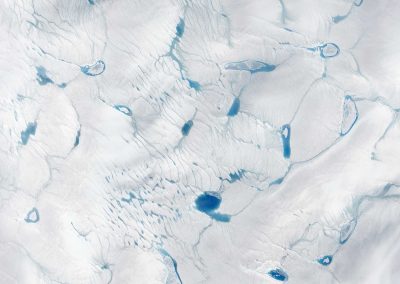
If the world halted planet-heating pollution today, the Greenland ice sheet would still lose more than 3% of its mass in the coming decades. To prevent even worse outcomes, immediate climate action is needed.
The authors of a new study are calling on major banks including JPMorgan Chase and HSBC to end their funding of projects by oil and gas companies across Russia.
The most significant climate legislation ever enacted by Congress has become law, without the word “climate” in its title. Here’s how it can benefit state and local energy and climate programs.
Toxic chemicals like PFAS are found in everything from menstrual products, canned foods, receipts, cosmetics, food containers, nonstick pans and many other consumer and industrial products like firefighting foam.
Joe Manchin has once again placed the profits of his donors and his own wallet above the needs of his constituents and the rest of the world by blocking U.S. efforts to bring carbon emissions into line with international targets.
To answer the question of “how hot is too hot?” researchers brought young, healthy men and women into a lab to experience heat stress in a controlled environment.
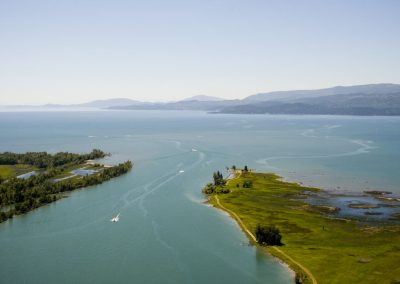
Flathead Lake is the largest body of freshwater in the western U.S. outside of Alaska. It’s known for its water quality, but the clean and clear lake now faces the threat of pollution from microplastics.